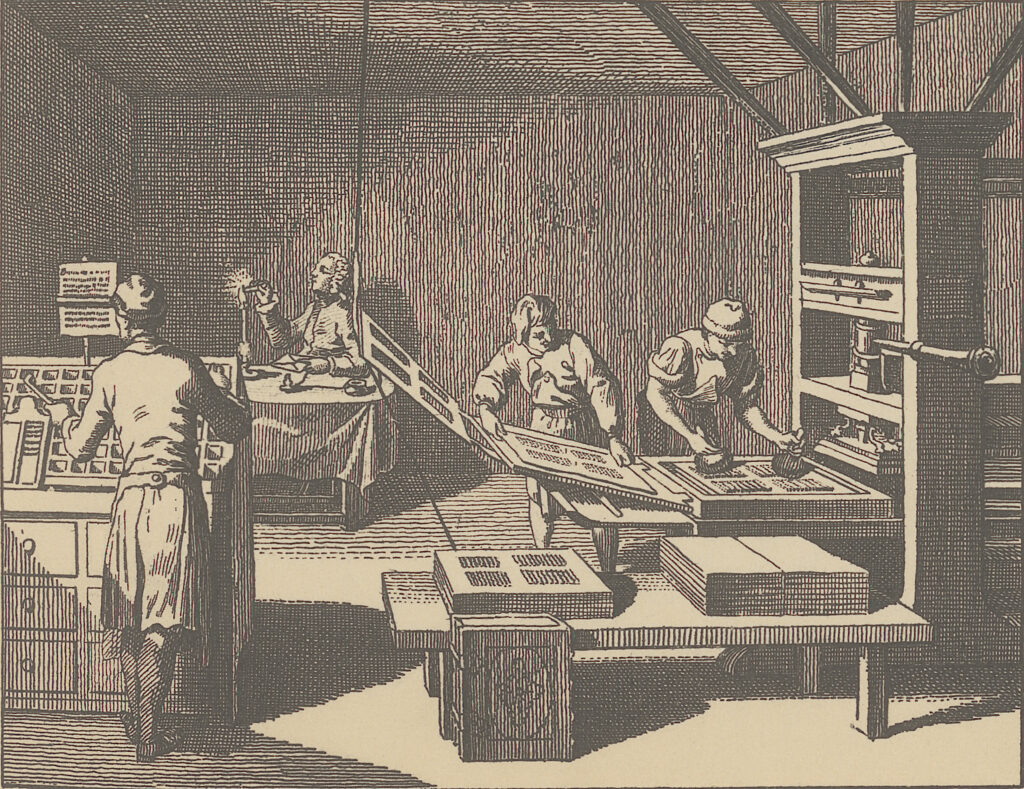
The Loyalist Papers is a modern continuation of the “pamphlet wars” that characterized British political debate going as far back as the 16th century. That tradition spread to the colonies and persisted well into the Victorian Era. During this period, writers used (typically classical) pseudonyms not simply to hide but deliberately to suggest a specific political persona – a voice to represent a school of thought rather than the personal views of a single individual.
Beyond Publius
The Federalist Papers were written under the pseudonym Publius in honour of Publius Valerius Publicola, a Roman statesman associated with the founding of the Roman Republic (c. 509-27 BCE). The name allowed Alexander Hamilton, James Madison, and John Jay to signal a shared conviction in republican ideals and universal rational principles of statecraft without drawing attention to their individual identities, personal interests, or partisan affiliations at a time of charged political debate.
Contemporary figures like Samuel Seabury (writing as A. W. Farmer) and Daniel Leonard (writing as the more-of-a-mouthful Massachusettensis) used pamphlets and political personas to argue for the stability of the Westminster system against the revolutionary volatility that culminated in the Declaration of Independence. For these writers, as for this project, the use of a pseudonym anchored their arguments in institutional loyalty rather than personal ambition or the shifting winds of daily politics. They were writing for their time as well as Ours.
Our constitution is not a creative, but a preservative one. It was not the work of a day; it is the result of the experience of ages, and has been matured by the wisdom of our ancestors.
—Massachusettensis
Gloriana
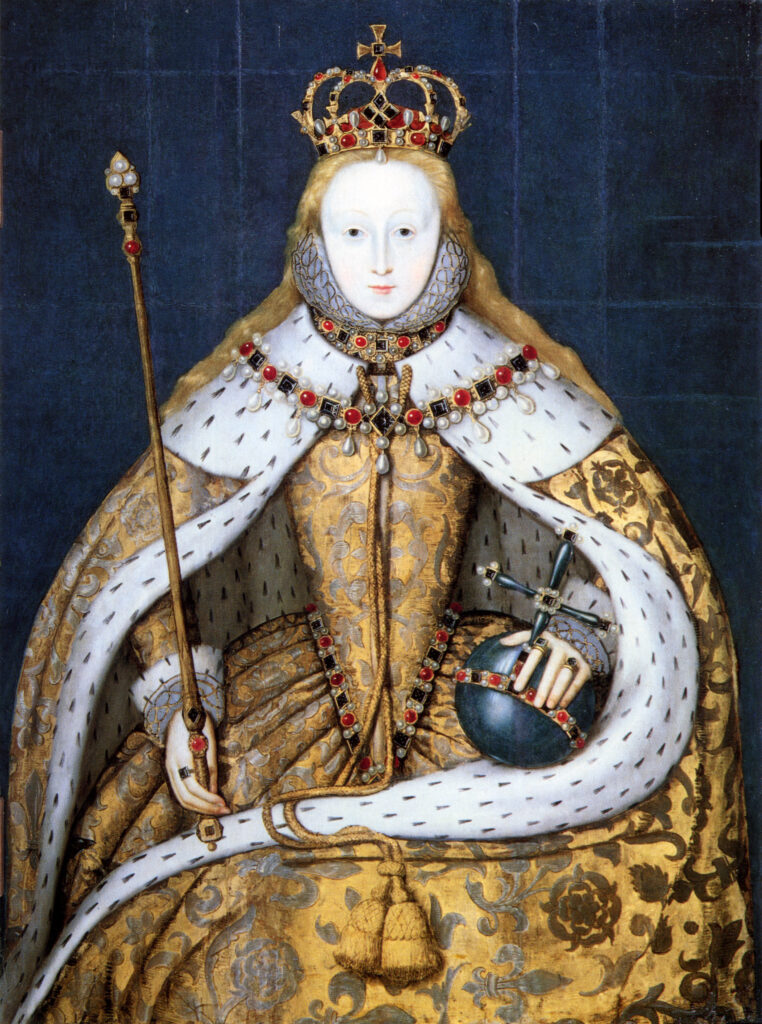
The choice of Gloriana for the Loyalist Papers is inspired by Queen Elizabeth I (r. 1558–1603), whose reign is synonymous with cultural flourishing, statecraft, and the establishment of many modern British traditions. Whereas Publius sought to design a republic from a tabula rasa, Gloriana offers a pseudonymic counterpoint rooted in the Loyalist conviction that liberty is best secured through the continuity of the Crown and the evolutionary refinement of inherited institutions.
In the same tradition of Publius and the British pamphleteers of the early modern period, Our focus remains on ideas rather than personality or partisanship. The invocation of the Crown and the Royal voice reflects Our project’s distinctly Canadian perspective, rooted in Loyalist ideals and a vision of good government that contrasts with the revolutionary founding of the United States.

Cover image: “Die Buchdruckerei” (The Printing Office) by Daniel Chodowiecki (1764). Etching. Public domain. // A typical 18th century printing press that was the mechanical heart of the “pamphlet wars” and a key front of the American Revolution.