TagCivic Culture

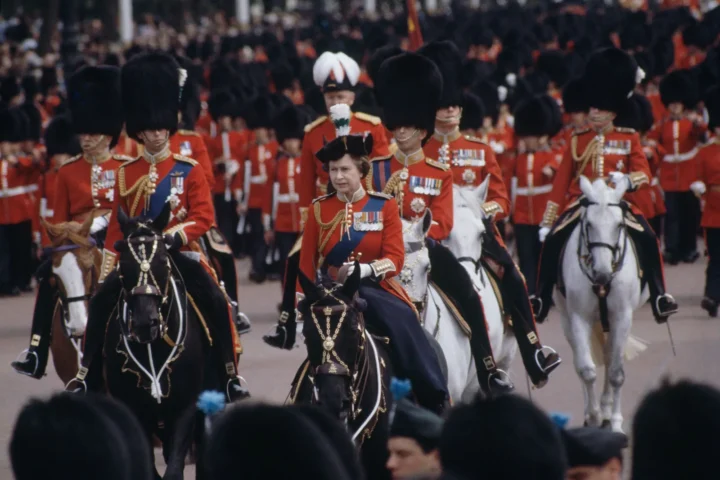
Marks Papers that consider the shared norms, habits, and traditions that sustain a constitutional order, particularly where institutions depend on more than formal rules to endure.

Standing Guard

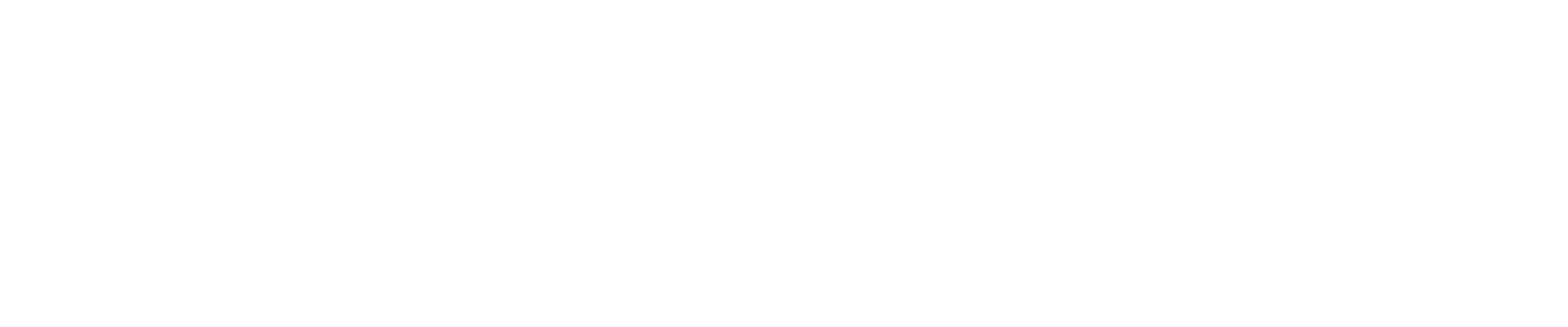
Loyalist № 15. The Framers believed that regular reviews would guard against military overreach. Unlike Britain – where oversight grew out of war, oppression, and hard-won tradition – America built its safeguards on reason alone. But history suggests that civic memory, not argument, is the most enduring foundation of liberty.
Canada’s Electoral College

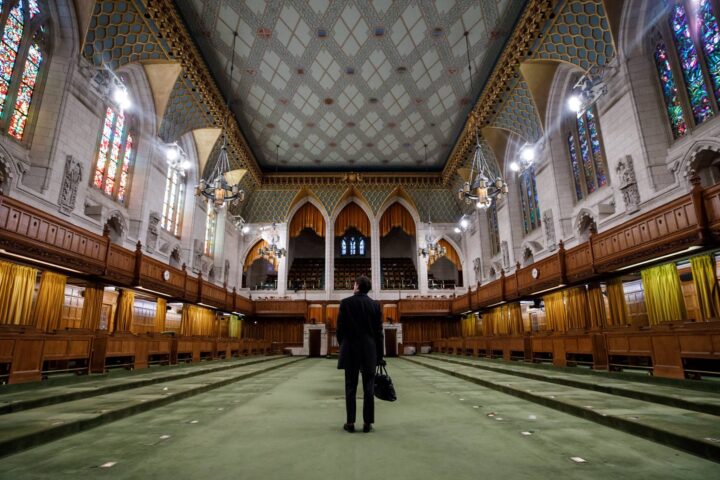
Loyalist № 8. The Electoral College was meant to shield the presidency from partisanship and populism – but quickly became their tool. Federalist No. 68 offers a window into the original design and its failure, raising deeper questions: What can Westminster democracy teach us about balancing local and national interests? And have Canadians unknowingly created an Electoral College of Our own?

Our Fractured Federation

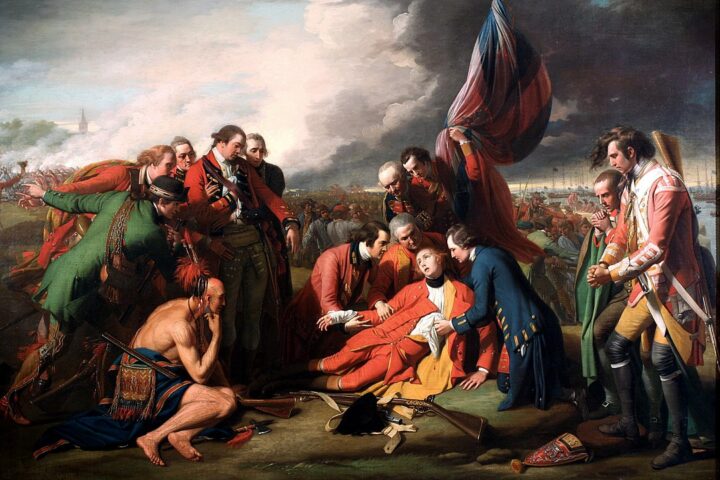
Loyalist № 2. Elijah Harper's 1990 stand against the Meech Lake Accord highlighted not only Québec's alienation but also the ongoing denial of Indigenous Peoples' autonomy and inherent rights under the Constitution. Harper said, "We were to recognize Québec as a distinct society, whereas we as Aboriginal people were completely left out." Can the fractures in Our federation be fixed?