TagFaction

Marks Papers that explore faction in the Madisonian sense: organized groups united by passion or interest adverse to the rights of others or the permanent and aggregate interests of the community.

We the People

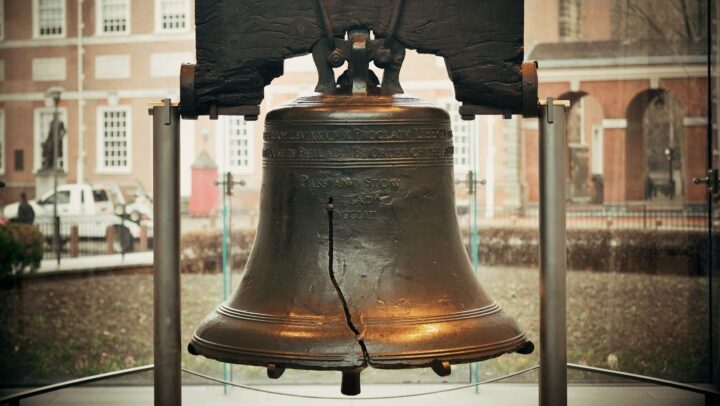
Loyalist № 20. Who are "the people" when the law refuses to name them? There is a structural silence at the heart of the American founding – a deliberate decision to leave suffrage to the States. From the shadow of the three-fifths compromise to the unenviable inheritance of modern populism, the question remains: what happens when a popular democracy is built on a definition that was never meant...

Aequitas Spectat Intentionem

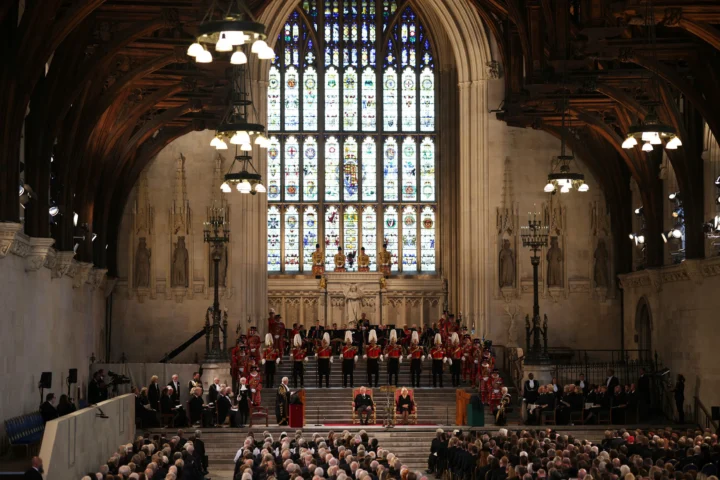
Loyalist № 19. Hamilton warned that formulas for fairness would only breed jealousy. Canada built Confederation on equalization, promising equity among Provinces through fiscal federalism. Our Dominion, however, will only endure not by quotas and ledgers but by remembering Our shared allegiance to the Crown.

The Breaking Point

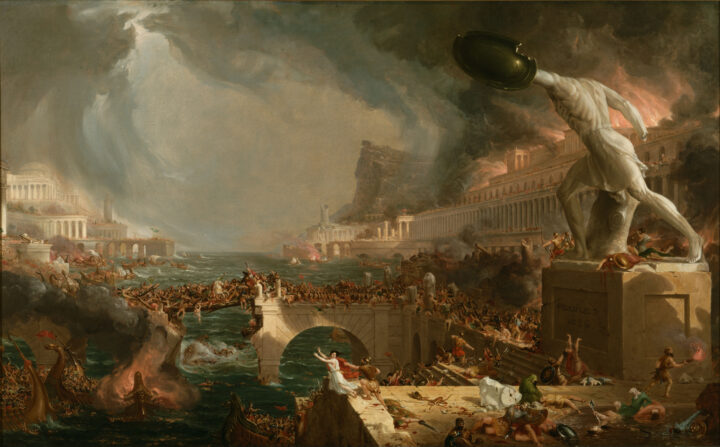
Loyalist № 17. The machinery of a republic must be carefully regulated. When the energy of government rises unchecked, it risks surging into tyranny; when it declines too far, it stalls into gridlock or chaos. The role of institutions, as the Founders envisioned, is to maintain this equilibrium – preserving a government vigorous enough to act decisively yet restrained enough to protect liberty.

To Every Man a Crown

Loyalist № 14. In Federalist No. 28, Hamilton defends the people’s right to resist their government – a principle rooted in the Revolution and alive still in American political culture. From the Civil War to domestic terrorism, the legacy is clear: when every citizen is sovereign, rebellion becomes not the exception, but the expectation.

Sic Semper Tyrannis

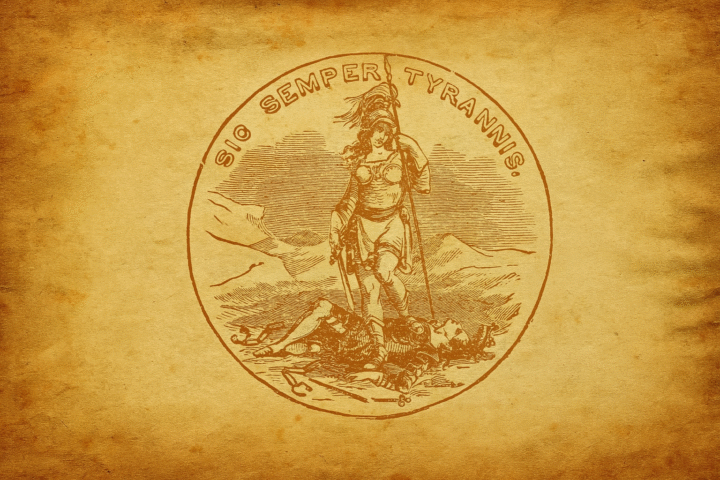
Loyalist № 12. What began with Lincoln as a reluctant claim of necessity has become a near-permanent feature of executive power in the United States. In the name of liberty, Americans have surrendered many of the very safeguards meant to protect it – and in doing so, invited the rise of presidential power without restraint.

A Malignant Prerogative

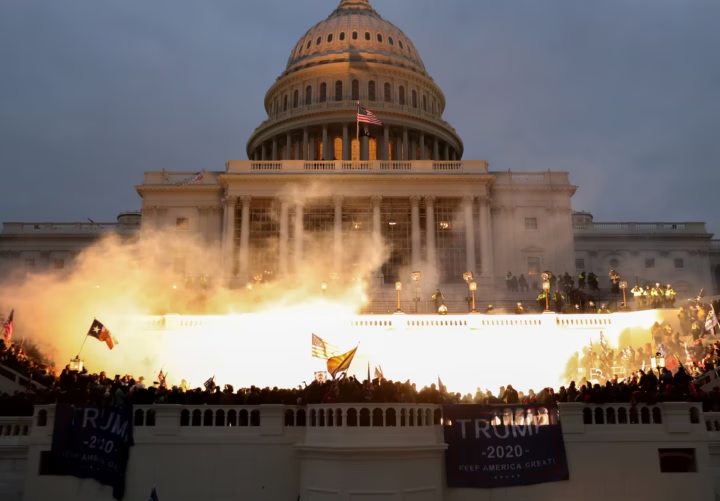
Loyalist № 10. In the hands of one who wears not the Crown but lusts after it, the noble prerogatives of mercy and pardon turn to malignancy. Not unlike the failure of Reconstruction following the end of the Civil War, the pardoning of the January 6th insurrectionists who sought to overturn the constitutional order of the United States foreshadows a long and terrible night ahead.

Disloyal Opposition

Loyalist № 7. The rise of factional politics in Canada and the U.S. reveals a deeper failure of design. Whether through regional fragmentation or ideological polarization, Our institutions no longer reward broad-based coalitions. Madison warned against these very dangers – and what they would mean for democracy in North America.