TagLegislative Power

The Breaking Point

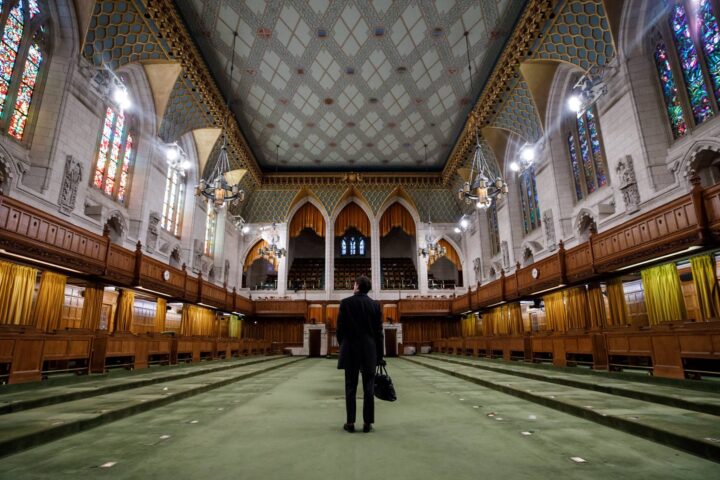
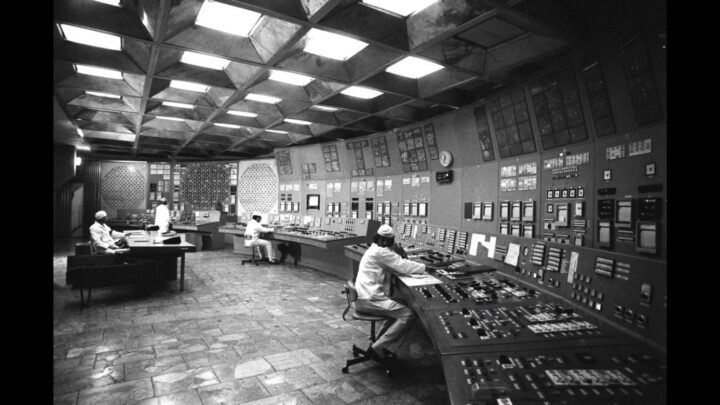
Loyalist № 17. The machinery of a republic must be carefully regulated. When the energy of government rises unchecked, it risks surging into tyranny; when it declines too far, it stalls into gridlock or chaos. The role of institutions, as the Founders envisioned, is to maintain this equilibrium – preserving a government vigorous enough to act decisively yet restrained enough to protect liberty.
Sober Second Thought

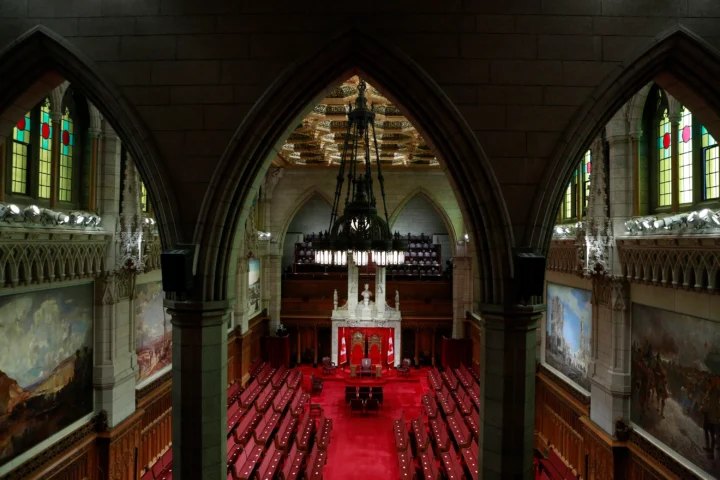
Loyalist № 16. Democracy needs more than elections. Madison defended an appointed Senate not as a barrier to the popular will, but as its ballast. Our first Canadian Prime Minister agreed: some institutions must stand apart from partisan winds. In Canada, as in the early republic, not all wisdom comes by vote.

Standing Guard

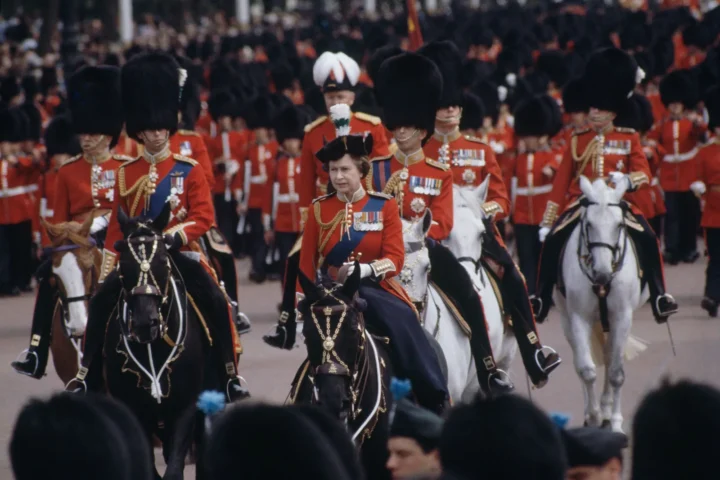
Loyalist № 15. The Framers believed that regular reviews would guard against military overreach. Unlike Britain – where oversight grew out of war, oppression, and hard-won tradition – America built its safeguards on reason alone. But history suggests that civic memory, not argument, is the most enduring foundation of liberty.

Abdication

Loyalist № 9. Madison warned that even a chamber of sages could descend into a mob. Today’s Congress faces the opposite danger: silence, submission, and the slow death of deliberation. When its power was challenged, it did not resist – it abdicated.

Canada’s Electoral College

Loyalist № 8. The Electoral College was meant to shield the presidency from partisanship and populism – but quickly became their tool. Federalist No. 68 offers a window into the original design and its failure, raising deeper questions: What can Westminster democracy teach us about balancing local and national interests? And have Canadians unknowingly created an Electoral College of Our own?