TagLegitimacy

We the People

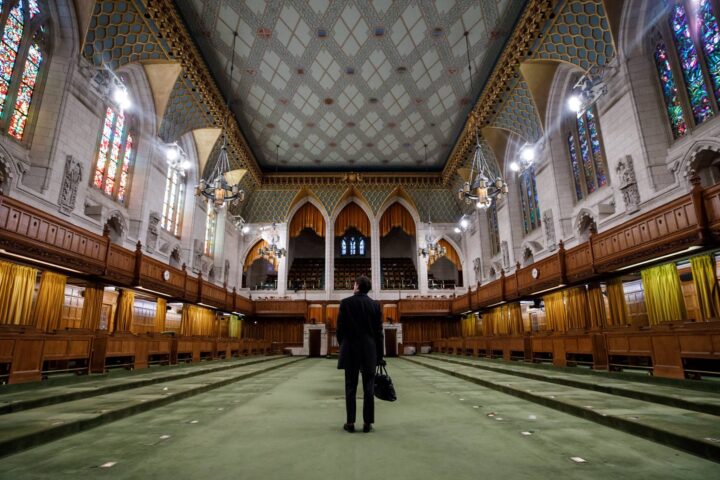
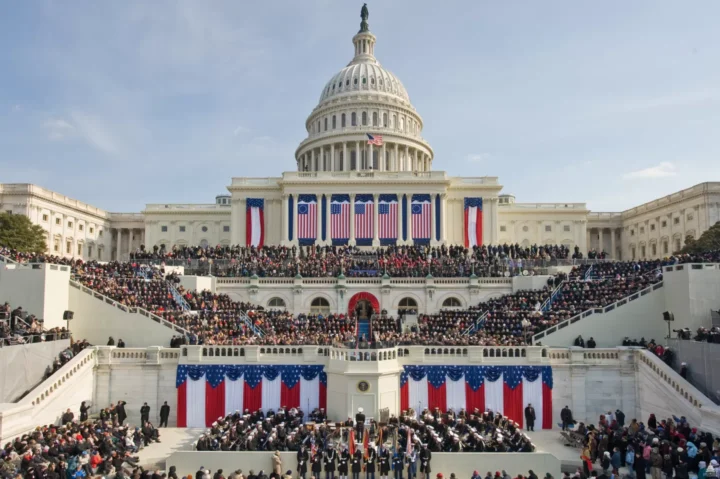
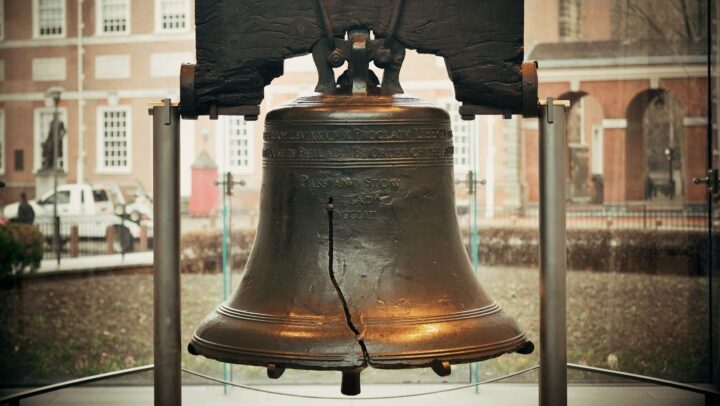
Loyalist № 20. Who are "the people" when the law refuses to name them? There is a structural silence at the heart of the American founding – a deliberate decision to leave suffrage to the States. From the shadow of the three-fifths compromise to the unenviable inheritance of modern populism, the question remains: what happens when a popular democracy is built on a definition that was never meant...
Sober Second Thought

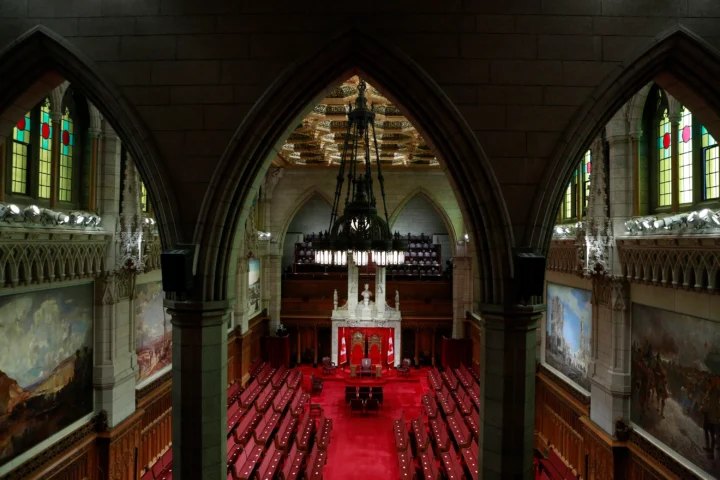
Loyalist № 16. Democracy needs more than elections. Madison defended an appointed Senate not as a barrier to the popular will, but as its ballast. Our first Canadian Prime Minister agreed: some institutions must stand apart from partisan winds. In Canada, as in the early republic, not all wisdom comes by vote.

The Enfeebled Branch

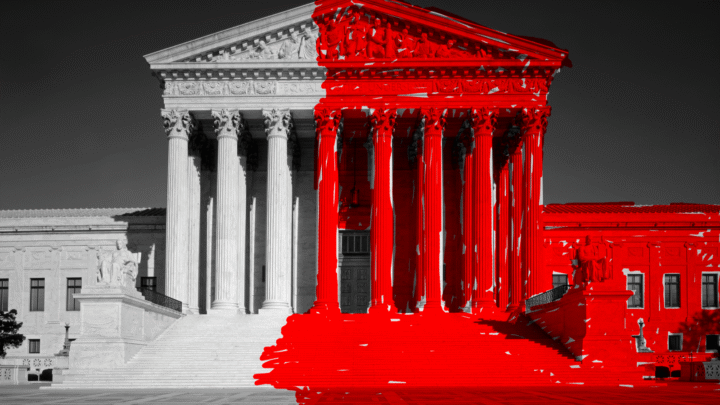
Loyalist № 13. Hamilton called the judiciary the “least dangerous” branch. Yet history played out very differently. From Marbury to Dobbs, the U.S. Supreme Court has shaped the political order as deeply as any elected branch. Its real power lay not only in constitutional design, but in popular legitimacy – something the Westminster experience shows cannot be engineered, only inherited.

Canada’s Electoral College

Loyalist № 8. The Electoral College was meant to shield the presidency from partisanship and populism – but quickly became their tool. Federalist No. 68 offers a window into the original design and its failure, raising deeper questions: What can Westminster democracy teach us about balancing local and national interests? And have Canadians unknowingly created an Electoral College of Our own?

An Unfinished Revolution

Loyalist № 1. Much chatter has been made about the President-elect’s musings that Canada should join the Union as the 51st state. It was initially dismissed south of the border as “a joke” and then rapidly escalated to unveiled conversations about outright annexation. The idea had always received a more sober reception here, and for good reason.