TagPolitical Thought

This is one of the project’s core tags. It is used for Papers that capture broader philosophical or theoretical dimension: reflections on sovereignty, liberty, legitimacy, tyranny, or the nature of constitutional order itself.

We the People

Loyalist № 20. Who are "the people" when the law refuses to name them? There is a structural silence at the heart of the American founding – a deliberate decision to leave suffrage to the States. From the shadow of the three-fifths compromise to the unenviable inheritance of modern populism, the question remains: what happens when a popular democracy is built on a definition that was never meant...

Aequitas Spectat Intentionem

Loyalist № 19. Hamilton warned that formulas for fairness would only breed jealousy. Canada built Confederation on equalization, promising equity among Provinces through fiscal federalism. Our Dominion, however, will only endure not by quotas and ledgers but by remembering Our shared allegiance to the Crown.

Standing Guard

Loyalist № 15. The Framers believed that regular reviews would guard against military overreach. Unlike Britain – where oversight grew out of war, oppression, and hard-won tradition – America built its safeguards on reason alone. But history suggests that civic memory, not argument, is the most enduring foundation of liberty.

To Every Man a Crown

Loyalist № 14. In Federalist No. 28, Hamilton defends the people’s right to resist their government – a principle rooted in the Revolution and alive still in American political culture. From the Civil War to domestic terrorism, the legacy is clear: when every citizen is sovereign, rebellion becomes not the exception, but the expectation.

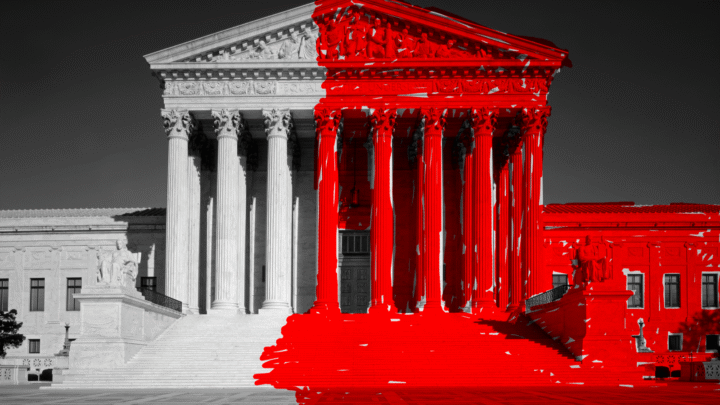
The Enfeebled Branch

Loyalist № 13. Hamilton called the judiciary the “least dangerous” branch. Yet history played out very differently. From Marbury to Dobbs, the U.S. Supreme Court has shaped the political order as deeply as any elected branch. Its real power lay not only in constitutional design, but in popular legitimacy – something the Westminster experience shows cannot be engineered, only inherited.

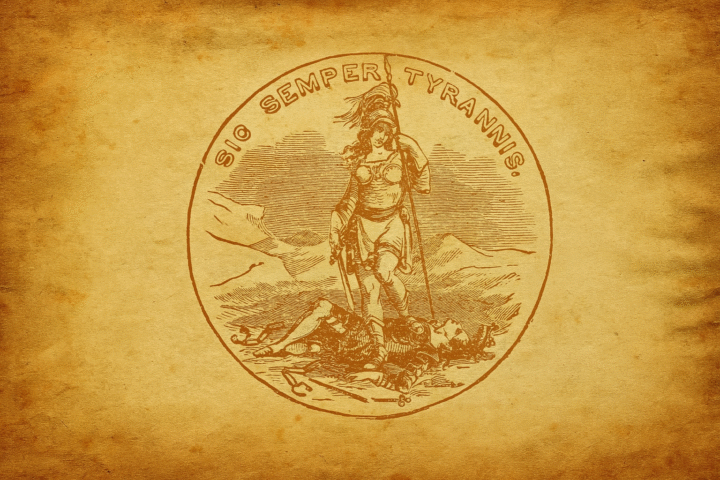
Sic Semper Tyrannis

Loyalist № 12. What began with Lincoln as a reluctant claim of necessity has become a near-permanent feature of executive power in the United States. In the name of liberty, Americans have surrendered many of the very safeguards meant to protect it – and in doing so, invited the rise of presidential power without restraint.

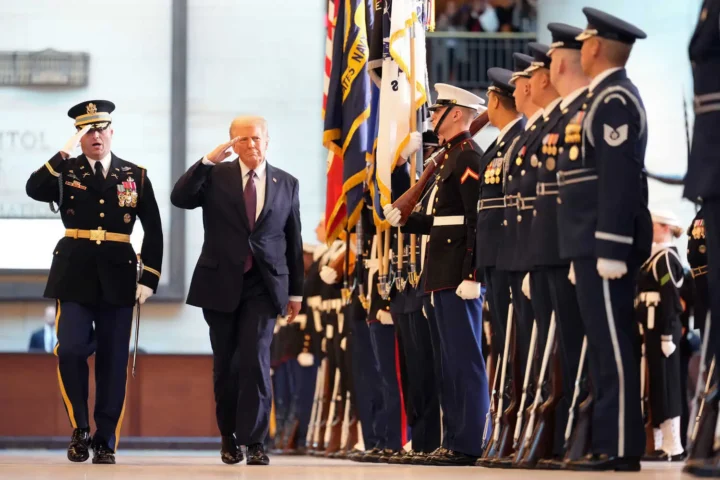
All Hail Caesar!

Loyalist № 11. The U.S. Presidency, once a modest office constrained by law, has swelled into an entity with near-monarchical power – issuing thousands of executive orders, waging undeclared wars, and reshaping global treaties without Congress. The very safeguards that Hamilton extolled now seem weakened, raising the question: has the Republic strayed too far from its founding principles?

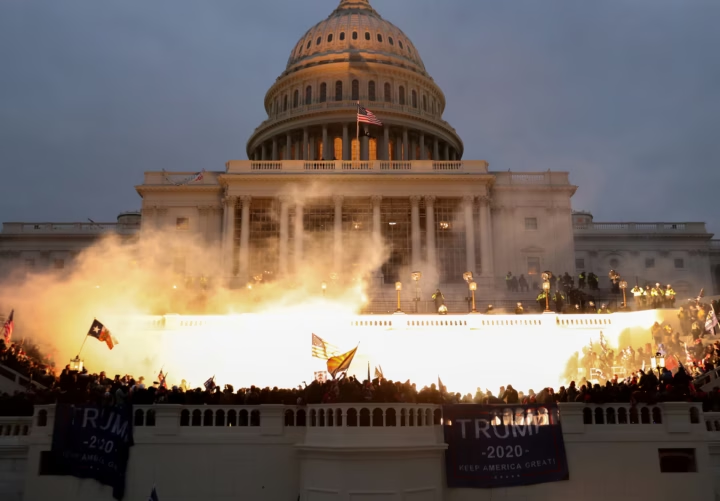
A Malignant Prerogative

Loyalist № 10. In the hands of one who wears not the Crown but lusts after it, the noble prerogatives of mercy and pardon turn to malignancy. Not unlike the failure of Reconstruction following the end of the Civil War, the pardoning of the January 6th insurrectionists who sought to overturn the constitutional order of the United States foreshadows a long and terrible night ahead.

Abdication

Loyalist № 9. Madison warned that even a chamber of sages could descend into a mob. Today’s Congress faces the opposite danger: silence, submission, and the slow death of deliberation. When its power was challenged, it did not resist – it abdicated.

Canada’s Electoral College

Loyalist № 8. The Electoral College was meant to shield the presidency from partisanship and populism – but quickly became their tool. Federalist No. 68 offers a window into the original design and its failure, raising deeper questions: What can Westminster democracy teach us about balancing local and national interests? And have Canadians unknowingly created an Electoral College of Our own?